
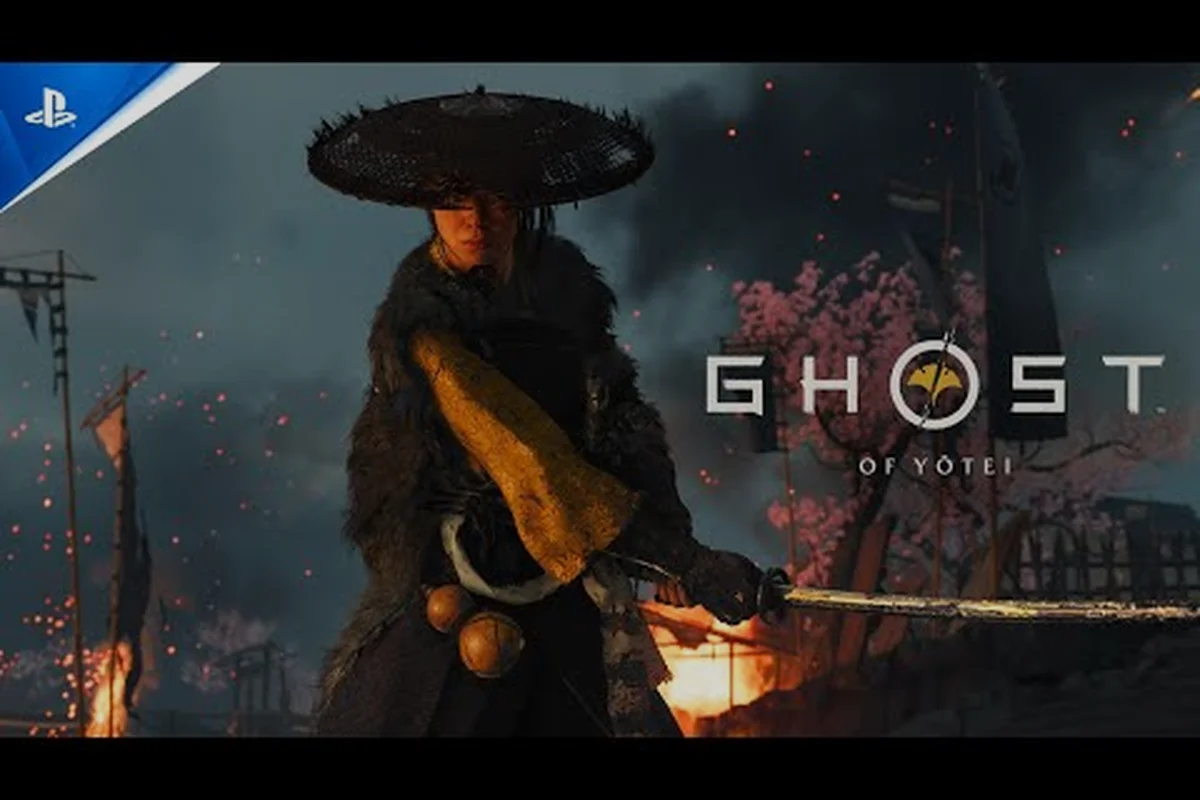
Wondering how to get armor in Ghost of Yotei? The short answer: most sets come from settlement merchants, story rewards, Sumi-e painting unlocks, and New Game+ Soul Flower vendors. Knowing the exact Ghost of Yotei armor locations early saves hours of wandering, because some of the strongest defensive sets in Ezo are tied to specific shops and questlines. Get the full armor-location breakdown below so you can plan a route, prioritize purchases, and avoid spending Yew Wood or silk on gear you will replace before Act 3.
Where to Find Armor Across Ezo
Armor in Ghost of Yotei is not handed out on a single linear path. Instead, the game spreads its sets across four main sources: merchant stock, story rewards, Sumi-e painting unlocks, and New Game+ Soul Flower purchases. This design mirrors the non-linear structure of the 1603 Ezo setting, where you can chase the Yotei Six renegade samurai in any order except for the opening Snake fight and the final Lord Saito confrontation. Because of that flexibility, a player who knows where the armor merchants are can outfit themselves with a strong set within the first few hours, while someone who ignores vendors will still find serviceable pieces through quest completion.
Community reports from the months after the October 2, 2025 PlayStation 5 release confirmed that armor vendors expand their offerings as the main story progresses. If a merchant does not carry the piece you want on your first visit, returning after a major story beat often reveals new goods. The official Ghost of Yotei page on PlayStation lists merchant stock, story rewards, Sumi-e Vanity Gear, and New Game+ Soul Flower sets as the primary armor sources, which lines up with what players have documented across forums and Discord.
Merchant and vendor locations
The main hubs for buying armor are the larger settlements scattered across Ezo. The Jōsaku market district, the Otada traders' row, and the port town of Sarajima each host a dedicated armor vendor with a distinct selection. These merchants accept the standard currency, plus crafting materials like Yew Wood, silk, and iron ingots for higher-tier pieces.
| Vendor | Settlement | Best early purchase | Restock condition |
|---|---|---|---|
| Armorer Chō | Jōsaku market | Traveler's Garb | After first regional story quest |
| Merchant Riku | Otada traders' row | Woodland Hunter set | After clearing the Otada tar pits |
| Seamstress Aoi | Sarajima port | Tidal Guard set | After meeting Lord Saito's emissary |
Players report that the armor vendor in Jōsaku is the most convenient stop during the opening act because it sits right next to the fast-travel point, which makes it easy to compare prices and upgrade pieces without a long detour. The Sarajima seamstress is the only vendor who sells armor with swim-speed bonuses, and that matters for the lake-diving collectibles and hidden caves in the northern region of the map.
A general rule from the community: never buy an armor piece that costs materials you have not yet seen drop. If a vendor asks for a resource the tooltip calls "rare in northern Ezo," you will almost certainly find that same set as a story reward later, so the purchase becomes a waste of silk and ingots that could have gone toward weapon upgrades.
Story-quest armor rewards
While merchants give you reliable access to gear, some of the strongest sets only arrive through story progression. The Wanderer's Cloak is earned during the prologue, the Echo of Sekigahara set comes from confronting the Yotei Six, and the Enduring Snow set rewards you for finishing the faction questlines around Mount Yotei. Since the game lets you pick the order of the Yotei Six targets, the speed at which you unlock certain armor depends heavily on your chosen route.
The Echo of Sekigahara chest piece and helmet are the standout items here, because the four-piece bonus grants damage reduction while you are outnumbered. That effect directly supports the "stand your ground" playstyle that duels in this game demand, and it remains useful even into New Game+ when enemy groups swing much harder. For reference, the official PlayStation page confirms that Sumi-e painting rewards count as Vanity Gear with no stat changes, so any armor you earn through quests remains the real source of stats and set bonuses.
If you finish the faction questlines before tackling more than two Yotei Six targets, the Enduring Snow set can comfortably carry you through the rest of the base campaign. Its bonus boosts resolve generation during blizzards and night encounters, which are both extremely common during the mid-game region unlocks, so you will get value from it almost every time you fast-travel into a new area.
Armor merchants and vendor mechanics
Understanding how the armor vendor economy works is almost as important as knowing where each shop is located. Ghost of Yotei uses a tiered merchant system: vendors start with two or three pieces, then unlock additional stock as you complete main story chapters and optional side quests. Some vendors also offer armor upgrade services, letting you improve a set's defensive stats while keeping its set bonus intact, which means you do not have to abandon a favorite set just because the numbers start falling behind.
| Vendor tier | How to unlock | What they sell | Example set |
|---|---|---|---|
| Tier 1 | Reach the settlement | Common armor, base upgrades | Traveler's Garb |
| Tier 2 | Complete regional story quest | Rare sets, dye options | Woodland Hunter |
| Tier 3 | Finish faction questline | Epic sets, accessory slots | Tidal Guard |
| Tier 4 | New Game+ only | Soul Flower sets | Renewed Wanderer |
The community consensus is that Jōsaku's Tier 3 unlock is the biggest power spike available from vendors. Once you finish the regional story quest involving the tar pits, Armorer Chō starts selling the Ashfall set, which reduces fire damage and extends the duration of your burning effects on enemies. That makes it a strong pick for any player leaning into flame-based tools or who wants extra defense against the explosive arrows common in the foothills.
What are armor abilities
Each armor set in Ghost of Yotei has a unique armor ability that activates when you wear two or four pieces of the same set. Two-piece bonuses are usually passive stat boosts, such as increased maximum health or faster stamina recovery, while four-piece bonuses are more dramatic and often change your approach to encounters. That distinction matters when you decide whether to mix two two-piece sets or commit to a full set for the stronger payoff.
-
Two-piece bonuses are stat-focused and easy to fit into any build without changing playstyle.
-
Four-piece bonuses are playstyle-defining and usually outweigh raw defense numbers.
-
Mixing two two-piece sets is a viable strategy when you only want specific stats like resolve gain or stealth speed.
A quick Ghost of Yotei armor tier list based on community testing and confirmed in-game descriptions puts the Echo of Sekigahara set in S tier for duels, the Renewed Wanderer in A tier for New Game+, and the Traveler's Garb in C tier as a starter-only option. If you are wondering which armor abilities pair best with specific weapons, the Ghost of Yotei weapon upgrades guide breaks down the strongest loadouts for each set bonus.
Armor merchant stock rotation
Vendors rotate a small selection of helmet and mask cosmetics each in-game day, but the core armor stock is tied to story progress rather than a daily reset. This means you should not sleep around campfires repeatedly to force a specific set to appear; instead, advance the main story or complete the prerequisite side quest for that vendor. The Sarajima port trader, for example, will not sell the Tidal Guard helmet until you have delivered the three sword-hilt fragments from the northern beaches.
Players in community Discord groups report that this rotation confused several newcomers, who assumed rare armor had a random chance to show up each night like a typical loot game. The reality is more player-friendly: armor is deterministic in Ghost of Yotei, with locations and unlock conditions fixed for each save file. That makes route planning far easier, and you never need to pray for a merchant restock while farming materials.
Sumi-e paintings and Vanity Gear
Sumi-e paintings are a special armor source that does not consume materials or currency. Scattered across Ezo, you will find blank canvases that reveal a hidden scene when you use photo mode in the correct spot, and completing each one unlocks a Vanity Gear skin that you can overlay on any armor piece. This lets you keep the best stats in the game while changing your appearance freely, which is a huge quality-of-life feature for players who like a particular look.
-
Painting 1 (near Jōsaku): unlocks the Inkstroke Chest cosmetic.
-
Painting 2 (Otada riverbank): unlocks the River Reed Hat cosmetic.
-
Painting 3 (Yotei foothills): unlocks the Blizzard Stalker mask cosmetic.
-
Painting 4 (Sarajima coast): unlocks the Tidal Waves Skin for all armor.
Community data suggests these cosmetics are purely visual, which means they do not affect the tier list, but they remain the cheapest way to get a new armor look early because Vanity Gear unlocks carry across all save files and into New Game+.
Sumi-e painting rewards list
Each completed painting grants exactly one cosmetic, but the order you unlock them matters for players chasing the Vanity Collector trophy. According to player experience, you need all painting rewards registered on a single save before the trophy pops, and buying the same skin from a vendor does not count toward it. So if you are a completionist, treat the Sumi-e paintings as mandatory content rather than optional flavor.
| Painting location | Cosmetic unlock | Trophy relevance |
|---|---|---|
| Jōsaku waterfall | Inkstroke Chest | Counts toward Vanity Collector |
| Otada riverbank | River Reed Hat | Counts toward Vanity Collector |
| Yotei foothills | Blizzard Stalker mask | Counts toward Vanity Collector |
| Sarajima coast | Tidal Waves Skin | Counts toward Vanity Collector |
Because the paintings require photo mode, they double as a scenic tour across the map, which is a nice change of pace from combat-heavy activities. The Yotei foothills painting is the trickiest one since you must frame the brush strokes correctly during heavy snowfall, but the mask cosmetic is worth the effort for stealth-focused players who want a more menacing silhouette.
New Game+ Soul Flower armor sets
New Game+ introduces a dedicated armor vendor who only accepts Soul Flowers, the special currency earned from boss fights, duel rematches, and daily quests. This vendor appears after you finish the main campaign once and load your clear save, so there is no way to access the Soul Flower sets during a first playthrough. The sets are not strictly stronger than base-game armor, but they offer unique abilities and alternate stat distributions that enable new builds and refresh the sandbox on repeat runs.
| Soul Flower set | Cost | Armor ability |
|---|---|---|
| Renewed Wanderer | 120 Soul Flowers | Resolve gain on perfect parry |
| Ghost of the Harbor | 150 Soul Flowers | Faster swim + damage bonus while wet |
| Frozen Oath | 180 Soul Flowers | Melee damage up during blizzard |
| Proving Grounds set | 200 Soul Flowers | Counter damage scales with missing health |
The Renewed Wanderer is the most popular first purchase because its perfect-parry resolve bonus loops directly into the combat economy, letting you trigger special moves, heals, and techniques far more often than base-game sets allow. Veteran players recommend saving Soul Flowers from the first New Game+ chapter instead of spending them on consumables, since the amounts the armor vendor asks for are substantial and daily quests only drip-feed the currency.
How to farm Soul Flowers efficiently
According to community farming reports, the fastest way to collect Soul Flowers is to replay the Yotei Six duel rematches on the highest difficulty you can handle. Each rematch grants around 10 Soul Flowers, and the boss rooms are directly accessible from the Shrine of Echoes fast-travel point once you complete the main story. A focused farming session of about two hours can get you the 120 flowers needed for the Renewed Wanderer, which feels far less grindy than clearing side quests at random.
If you would rather avoid duels, daily quests in the three main settlements grant 5 flowers each, and clearing a region's Most Wanted targets gives a one-time bonus of 15 flowers. Crank the difficulty up to lethal for a few of these fights and the payout doubles, although that is only recommended once you have upgraded a few armor sets to Tier 3 or higher. For a deeper look at parry timing and stance management that make these fights faster, the Ghost of Yotei combat guide covers the exact mechanics you need.
Ghost of Yotei armor tier list and recommendations
If you are looking for a practical Ghost of Yotei armor tier list to decide what to chase first, here is a community-informed ranking that covers both the base game and New Game+. This list weighs armor abilities more heavily than raw defense, because a set that changes how you win fights is almost always better than one that just adds a few points of damage reduction.
| Tier | Armor set | Best use case |
|---|---|---|
| S | Echo of Sekigahara | Duels, outnumbered fights |
| A | Renewed Wanderer (NG+) | Parry-heavy combat loops |
| A | Enduring Snow | Blizzard exploration, resolve builds |
| B | Tidal Guard | Water traversal and stealth |
| B | Ashfall | Fire builds, Tier 3 merchant pick |
| C | Traveler's Garb | Starter content only |
The tier list shifts when you factor in the Complete Edition exclusive armor, which the official PlayStation page confirms as a bonus tied to the 2026 Complete Edition release. That gear effectively functions as a quality-of-life set with strong early stats, and players who grab it during the limited-time promotion can cruise through the opening regions without visiting a single merchant. Even so, the community consensus is that the Echo of Sekigahara set remains the best long-term investment because its four-piece bonus punishes groups, which is exactly what the Yotei Six encounters throw at you.
Which armor should a beginner target
For a first playthrough, the smartest route is straightforward: use the Traveler's Garb until you finish the Jōsaku prologue, then buy the Woodland Hunter pieces from Merchant Riku once you have 10 Yew Wood and 4 silk. After that, aim for the Enduring Snow set from the faction questlines, since its resolve generation is forgiving for players still learning perfect parry timing. The official PlayStation page notes that adjustable difficulty and extensive accessibility options are available throughout, so you can also lower the challenge while you grind out better gear without losing progress.
Players who want a tankier option should grab the Ashfall set from Armorer Chō as soon as the tar-pit quest is done. Its fire resistance shines in the Yotei foothills region, where enemies love throwing explosive arrows, and the two-piece health bonus gives a comfortable buffer before you master dodging. Once you start New Game+, the Renewed Wanderer becomes the default recommendation, because it does not ask you to change your playstyle to feel powerful; it simply rewards the parry timing you should already be practicing. For map guidance on finding these vendors quickly, the Ghost of Yotei explorer guide marks the exact merchant and stable positions across all three main regions.
Frequently Asked Questions
What is the fastest way to get armor in Ghost of Yotei?
The fastest reliable method is visiting the Jōsaku market district and buying the Traveler's Garb from Armorer Chō immediately after the prologue, then fast-traveling to Otada for the Woodland Hunter pieces from Merchant Riku. Both purchases only cost early-game materials, and they dramatically improve survivability before the first major boss.
Where is the best armor merchant in Ghost of Yotei?
Seamstress Aoi in Sarajima port is generally considered the best armor merchant because she sells the Tidal Guard set and offers upgrade services for most mid-game armor. Armorer Chō in Jōsaku has the widest selection overall, so most players bounce between these two vendors while progressing through the story.
Do Ghost of Yotei armor merchants restock rare armor?
Armor merchants do not restock on a daily timer. Their inventory expands as you complete story chapters and regional side quests, so returning after major progress is the correct way to unlock new stock. Sleeping repeatedly or fast-traveling in a loop will not speed up the process, according to community testing.
Are armor abilities more important than defense stats?
Yes, the four-piece armor ability usually outweighs raw defense because it changes how combat flows. For example, the Echo of Sekigahara damage reduction while outnumbered is worth more than a small armor-number boost in most encounters. Beginners should prioritize completing a full set before spending materials on upgrade tiers.
Can you get New Game+ armor without finishing the story?
No, Soul Flower sets are locked until you clear the main campaign and load your completion save. The New Game+ armor vendor appears on the road south of Sarajima, and he stays available for every subsequent playthrough, so you can farm Soul Flowers across multiple runs and buy all the exclusive sets over time.